/ USD
/ USD
AI server prices are rising faster than most companies can realistically grasp – and this applies even to identical configurations. Same Dell PowerEdge R750xa or R7425, with same CPU, RAM and GPU, can cost dozens percent more today than year or two ago.
And now most important – this isn't moment to act intuitively. You see rising prices, but without context it's easy to fall into two extremes: either overpay because "it'll be more expensive soon" or delay purchase and pay even more. In practice most lose companies that don't break down this price into components. Because problem isn't that server is expensive. Problem is you often don't know exactly what you're paying for – and whether actually need it.
Why AI server prices rise faster than their performance – are you really paying more for same thing?
Yes – and that's something many people struggle accepting initially. You pay more for same performance because market raises component prices, not because equipment suddenly does something more.
- Identical configuration can be today 50-100% more expensive compared to 2024.
- Price increase comes from production costs and component availability, not technology progress.
- Pricing differences between quarters are real and noticeable in larger configurations.
And now look at this from project perspective. You plan budget, assume specific configuration – say 2× CPU, 128-256 GB RAM, 3× L4 or A40 type GPU – and seems you have it locked down. You come back to it after few months and suddenly cost went up by tens, sometimes dozens percent. Equipment does exactly same thing. Nothing changed in its capabilities. Market changed.
And this is moment many companies start improvising – whether to cut configuration, change GPUs, or delay project. Meanwhile often better approach is conscious configuration matching to real workload instead of assuming "more expensive = better". Because today that simply doesn't work so straightforward.
What really drives up AI server prices – RAM, GPU or something you don't see at first glance?
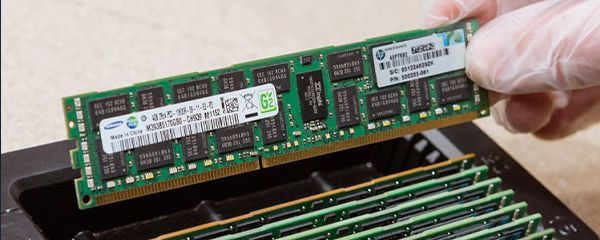
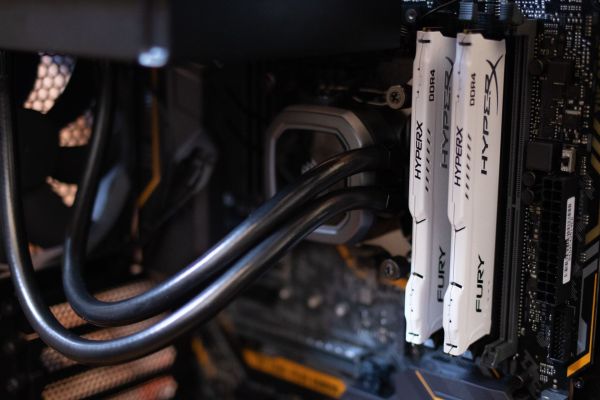
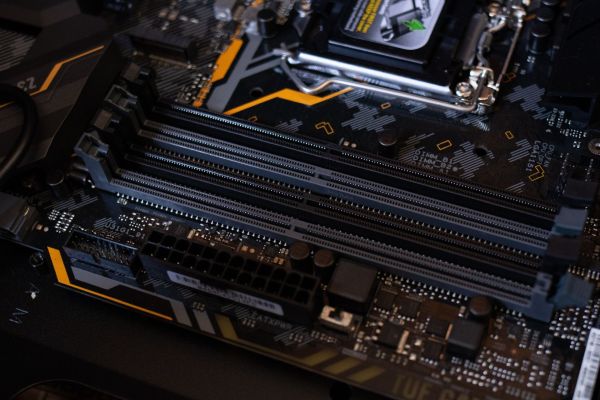
Biggest surprise for many people is that it's not GPU that's biggest cost, but RAM and entire platform around it.
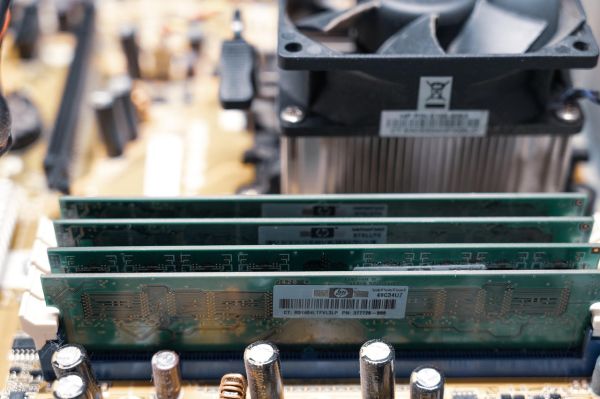
- Server memory prices rise dynamically – even 40-50% in short time.
- AI servers work with large volumes – 128 GB, 256 GB, often 512 GB or 1 TB RAM.
- Manufacturers shift production toward AI memory, limiting standard module availability.
And here comes something not visible in first spec glance. AI server isn't "box with graphics card". It's entire hardware ecosystem that must maintain stable operation under heavy load.
- Power supplies 2000-3200 W because GPUs and CPU need stable current
- Enterprise-class cooling that handles several cards in one chassis
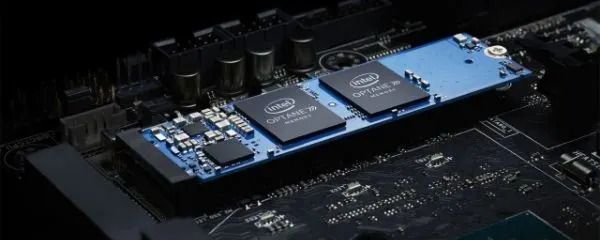
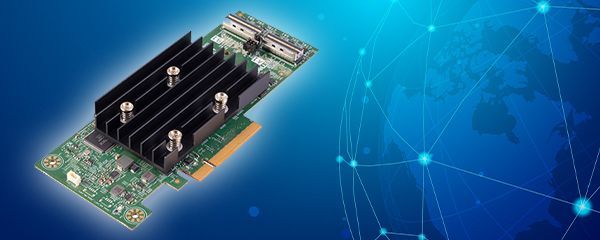
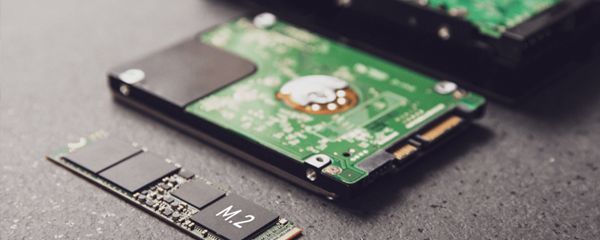
- Fast NVMe disks and RAID controllers so data keeps up with computation
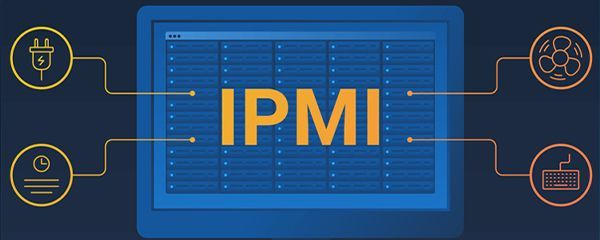
- iDRAC / iLO management that keeps it all under control
And suddenly GPU is only part of story. Rest of platform gets more expensive too – in parallel. That's why configuration looking "similar on paper" can have completely different final price. And this is where you easily burn budget if looking only at card count, not whole picture.
Why GPUs get more expensive month by month – and do you have any influence on this when buying server?
GPUs get more expensive because they're today one of most scarce resources on IT market – and as buyer you have very limited influence on this.
- AI infrastructure spending grows globally by over 30% year-over-year.
- Manufacturers can't keep up with data center card deliveries.
- Prices of same GPU models change over time – sometimes even within one quarter.
Here it's not about "seller margin", it's that supply chain is stretched to limits. Every element – from GPU through memory to logistics – contributes to final price.
And now important decision on your side. You can wait and hope prices drop. Except in 2026 that probably won't happen quickly. Or you can approach pragmatically – lock configuration when it makes business sense instead of trying to "hit perfect moment". Because in this segment often such moment simply doesn't exist.
Do manufacturers deliberately raise AI server prices – how does real OEM policy and B2B margins look?
No, manufacturers don't raise prices "because they can" – they raise them because entire supply chain gets more expensive and enterprise market buys equipment due to availability, not price.
- OEMs like Dell, HPE or Lenovo respond to RAM, GPU and production cost increases.
- B2B segment is less price-sensitive and more concerned with delivery time and availability.
- Some production directed to biggest customers increases price pressure for rest of market.
What looks externally as "rising servers" is practically effect of several overlapping things. Memory manufacturers limit standard module supply because they profit more making AI components. Add hyperscaler contracts that "eat" big portion of available resources. Result? Less equipment reaches open market so its price naturally rises.
And here comes important thing – OEMs don't work in vacuum. If component cost rises by dozens percent, final server price must reflect this. And since enterprise segment customers often buy equipment "because they must" not "because they want", pressure to keep low prices is less than pressure on availability. This changes rules of game – and worth keeping in mind when planning purchases.
Where come rising prices even before delivery – how much does simple "waiting" for server cost?
Waiting for server really costs because component prices rise, logistics costs go up and market situation changes.
- Long lead time means price on order day ≠ price on delivery day.
- Distributors bear storage, financing and equipment security costs.
- GPU and RAM price volatility causes quote updates even during purchase process.
In practice it looks like: you configure server today but physically receive it in few months. Meanwhile memory prices rise, production costs change, sometimes even exchange rates shift. And suddenly equipment that was priced "at start" finally costs more – despite nothing changing in it.
Add one more aspect – availability. If component is hard to get, its price rises faster than rest of configuration. That's why often you see situations where GPU or RAM "pull" entire server price up. And that's exactly why companies wanting to control budget increasingly seek equipment available immediately – because time in this case works against buyer.
Do you really need such powerful AI server – where companies most often burn budget?
No, in most cases you don't need maximum configuration – yet many companies start with exactly that.
- Buying "just in case" leads to unused server capacity of even half its power.
- Large portion of workloads don't require top-tier GPUs or maximum amount.
- Price difference between "ideal" and "sufficient" configuration can be huge.
From AI projects perspective you most often see one scenario – budget exists so equipment is bought from "top shelf". 3-4 class A100 GPUs, 1 TB RAM, fast NVMe – everything looks impressive. Problem appears later when you realize only part of this power is actually utilized.
Much more sensible approach is starting from configuration covering most needs – e.g. server with 2-3 L4, T4 or A40 type GPUs and 128-256 GB RAM – and scaling later. In many cases this gives 80% effect at 40-50% budget. And this is exactly where companies burn money – not on bad equipment but poorly matched performance level.
New or recertified – where do you really lose money buying AI server?
Most you lose when automatically assuming new equipment is only sensible option – because in many cases that simply isn't true. Recertified servers can be 20-40% cheaper at same performance and often come with full configuration (RAID, RAM, GPU) ready to work immediately. What's more, "ready now" availability eliminates risk of price increase during waiting.
These are often machines from POC projects, demos or cancelled orders that passed testing and returned to market. And for many companies that's real advantage – you can have Dell PowerEdge R7425, R750xa or C4140 with GPU for fraction of new set price without performance compromise.
Moreover such server often comes already configured – you get RAID, redundant power supplies, iDRAC or iLO ready to use. You don't lose time on assembly and configuration, just start work. And suddenly instead of waiting months and paying more, you can operate faster and cheaper simultaneously.
FAQ
Will AI server prices keep rising?
In near term yes – mainly through growing memory costs, GPU and limited component availability.
Worth buying server now or wait?
If you have ready project and budget, delaying purchase often means higher price in future.
Does every AI project need top-tier GPUs?
No – many applications work well with mid-class cards and sensible RAM amount.
Is recertified server suitable for production?
Yes, if verified and warranted – performance-wise doesn't differ from new.
What most impacts AI server price?
Usually RAM and GPU, but also power supply, cooling and entire platform around graphics cards.