/ USD
/ USD
Memory cost in servers in 2026 stopped being detail – it's one of main budget components. If planning upgrade or new hardware purchase, it's not CPU or chassis making biggest difference today, but DDR5 and SSD that within months managed to double their price. And that's not temporary fluctuation – just change affecting how much you really pay for every IT project.
If you had approved budget year ago, good chance it doesn't work now. And that means one thing – must approach topic differently than before.
Why did DDR5 memory and SSD suddenly become server's biggest cost in 2026?
Memory prices don't rise "a bit" – they jumped by dozens to even over 90% in just months. This changes power balance in server configuration. Where CPU was once main cost, today RAM modules and NVMe disks very often take bigger budget share.
Reasons are concrete and won't disappear soon:
- AI "consumes" memory – AI servers need even 8-10× more DRAM than classic environments,
- production moving to HBM, not standard DDR5 – meaning less availability for "regular" servers,
- market in shortage supercycle – demand growing faster than supply,
- new standards (e.g. CUDIMM) raising production cost and limiting availability.
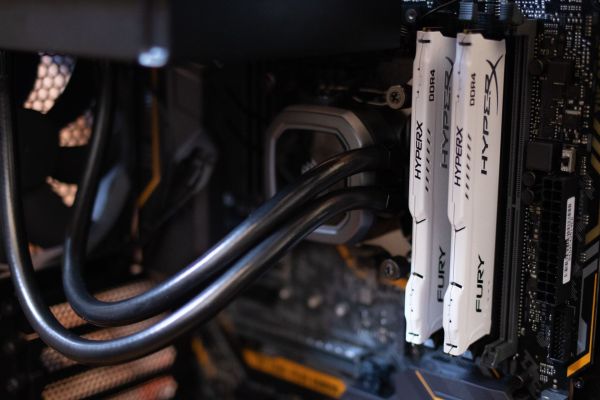
Result? 32 GB DDR5 module that cost ~400 PLN now can cost 1400-1500 PLN.
Do you really need as much RAM and NVMe as you assumed year ago?
No – and this is first place to recover budget control. Many environments simply over-sized. Servers get 64 GB or 128 GB RAM "just in case" that practice never uses 100%.
If look at real load:
- some VMs run on 30-50% resources,
- databases don't use all memory,
- storage grows "just to be safe", not from real need.
That's why increasingly pragmatic approach appears:
- instead of 64 GB → start from 32 GB and scale later,
- instead of 2 × 32 GB DDR5 → more smaller modules older generation (if platform allows),
- instead of large NVMe → smaller disks in system's key places.
This isn't technological regression. It's matching configuration to real use, not to "ideal scenario" that rarely happens.
How memory price increase changes real budget for servers, VMs and SQL?
Biggest change: projects calculated year ago now often cost 2-3× more. And not because scope changed – just because components went up.
Very visible in practice:
- instead of replacing 100 servers → you replace 50-70,
- instead of full refresh → you phase it,
- instead of buying "target configuration" → you take minimum version.
This translates to other areas too:
- laptops and workstations get more expensive,
- equipment replacement cycle extends from 3 to even 5 years,
- IT department starts managing resources more than buying new.
And here comes key approach change:
- not about how fast to buy hardware,
- only how to squeeze more from what you have.
Currently RAM becomes main cost and constraint.
Upgrade now or wait – what pays off with such prices?
If counting on prices quickly returning to 2024 levels – likely disappointment. This isn't temporary spike but structural market memory change. Forecasts talk about further increases even 60-70% in coming months.
This changes decision from "buy now or not" to something more concrete: can you afford waiting.
Three scenarios appear most often:
- you delay upgrade → risk even higher prices,
- you buy now minimum → secure environment and scale later,
- you do partial upgrade → replace only what's bottleneck.
In practice most sensible turns out mixed approach. Instead replacing everything, focus on what really blocks performance:
- not enough RAM for VMs,
- slow disks for SQL,
- no backup space.
And only then invest. Not "because plan was approved" but because real need exists.
How to cut costs without killing performance – where to find savings in server configuration?
Not about cutting costs "blindly" but cutting where they don't impact system operation. Big difference because poor optimization ends in performance problems.
Biggest room for maneuver in three places.
RAM and its usage
Instead adding modules, often better:
- review VMs and remove excess allocated memory,
- optimize database (cache, indexes),
- limit "future-proofing" headroom never actually used.
Storage – where NVMe makes sense, where not
Not every workload needs NVMe:
- SQL, databases → yes,
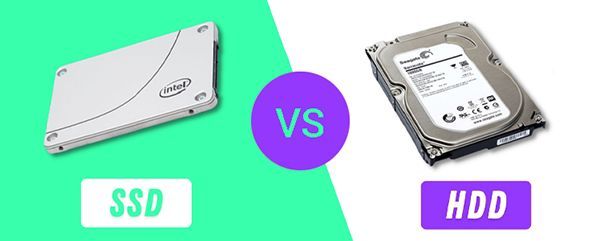
- archive, backup → often cheaper SATA SSD enough,
- user files → depends on load.
System architecture
Instead increasing resources, can:
- split services into several smaller instances,
- apply caching and data compression,
- shorten operation time instead increasing power.
These changes don't require big budget yet can reduce memory purchase need by even dozens percent.
Is infrastructure approach change already necessity, not option?
Yes – because "buy more to have headroom" model stops working at such prices. In 2026 infrastructure approach starts resembling resource management rather than expansion.
Increasingly appearing decisions like:
- fewer physical servers but better utilized,
- more emphasis on virtualization and consolidation,
- selective performance investment instead "full refresh".
Projects themselves also change:
- more code optimization,
- less "overprovisioning",
- greater cost awareness at planning stage.
And this is moment IT department stops being just purchase executor. Starts really impacting company budget – because every hardware decision today has direct translation to operational and investment costs.
FAQ
Will memory prices drop?
Current indicators suggest not. Trend upward and demand (especially from AI) still growing.
Why does RAM and SSD get more expensive so fast?
Because production directed toward AI memory (HBM) and standard DDR5 has limited availability.
Worth buying server now or better wait?
If real needs exist – better buy now minimum and scale later. Waiting may mean higher prices.
How much RAM makes sense in server today?
Depends on application, but increasingly starts from 32-64 GB and then expands later instead buying "just in case".
Can limit costs without losing performance?
Yes – through VM optimization, database and storage. Many cases gives bigger effect than adding RAM.
Is NVMe always needed?
No. Makes sense where performance matters (SQL, AI) but for backup or archive often cheaper solution enough.
What's biggest mistake buying server today?
Buying "like before" – without accounting that memory became main cost and constraint.