/ USD
/ USD
If you're planning AI project and counting on quick GPU server purchase – in 2026 you might be in for surprise. Graphics card availability is limited, and real delivery times can reach a year. This changes approach: instead of "buy equipment and deploy", you need to think like investment – what to do now, where to start and where not to burn budget.
Graphics card availability in 2026 – why you wait a year for server and it won't change soon
If counting on quick GPU server purchase, realistic scenario in 2026 is waiting 36 to even 52 weeks for delivery – and that's not exception but new market standard.
- Lead time on data center-class GPUs (H100, H200, Blackwell) reaches over a year, so ordering today = deployment next budget year.
- Biggest players (Microsoft, Google, Amazon) block most production through 2025-2027.
- Demand is even 1.4-1.6× greater than production capacity, so queues won't disappear overnight.
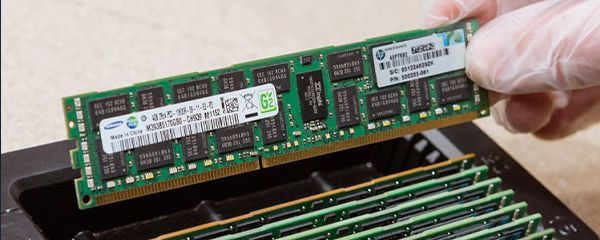
- GPU and RAM prices rise in parallel because HBM memory production displaces classic DDR.
And now most important – this isn't temporary problem like with cryptocurrency. Then market rebounded, today you're dealing with persistent AI computing power deficit extending at least through end of 2026, realistically into 2027.
If planning project "the old way" – first budget, then equipment order – you simply get blocked. In practice, companies that work do opposite: first find available equipment (often recertified or CTO), then adapt project roadmap to it. And this is moment when advantage starts – not in hardware, but approach.
GPUs exist, but not for everyone – how big companies "eat" market and what's left for rest?
GPUs physically exist, but for most companies simply out of reach because most production goes to few biggest players worldwide.
- Hyperscaler contracts are measured in billions of dollars, so deliveries are prioritized for them.
- Nvidia controls over 90% GPU market, so alternatives limited.
- Top models go first to big company data centers, only then to "open" market.
- Even consumer GPUs get expensive and disappear because used for AI instead of gaming.
In practice this means: you're in same queue as global corporations, but with completely different leverage. And here many people stop – because "no hardware, so no project". Meanwhile companies that understand topic combine differently: they go for recertified servers, take CTO configurations available immediately or search GPU on secondary market.
This is no longer "Plan B", just normal way of operating. Moreover, often such equipment is already tested, ready to work, with RAID, iDRAC/iLO and 12-36 month warranty, so deployment takes days not months. And suddenly instead of waiting year, you can start project this quarter.
AI project stuck because no hardware? See where you really lose time (and money)
If AI project stalled due to GPU shortage, in most cases problem isn't just hardware – it's entire planning approach.
- Year delay in delivery = real loss of market advantage.
- Roadmaps often based on unrealistic hardware availability assumptions.
- AI teams waste time fighting for resources instead of developing models.
- 2024-2025 budgets today under-estimated even by dozens percent.
And important thing – in practice biggest problem isn't lack of GPUs but project being completely dependent on them. You see this often: everything stops because "waiting for server with cards". Meanwhile huge portion of work can start earlier – data preparation, pipelines, model testing on smaller datasets, integrations.
Companies understanding this divide project into phases and run what they can today on available CPU infrastructure or weaker GPUs. This way when target hardware arrives, it's not project start – just acceleration.
You have GPU and still lacking power? Problem often lies not in hardware but its utilization
If you have GPU but everything still runs slow – usually problem isn't lack of equipment but poor utilization.
- Difference between 40% and 80% GPU utilization often means 2× more experiments.
- Lack of task queuing causes GPUs sitting idle much of day.
- Long jobs block access for other teams.
- No monitoring = no knowledge where resources wasted.
So GPUs exist but nobody knows how used. No schedulers, no priorities, no control over who uses how much. Result? Expensive equipment really working half-speed. Meanwhile companies approaching sensibly implement task queues, job time limits, usage monitoring and GPU-hour reporting. And suddenly without adding single card you do more. In 2026 this is where biggest difference happens – not in how many GPUs you have, but how well you can use them.
Don't plan AI like server purchase – approach it like investment portfolio
If you want to deliver AI project in 2026, must stop thinking of it as one-time equipment purchase and start treating it as portfolio of projects with different "GPU costs".
- Each project has different "GPU intensity" – from light ML to heavy LLM.
- Not everything needs most powerful cards.
- Business priorities should decide GPU access.
- Some projects worth shifting or simplifying instead of blocking resources.
Instead of one big project you have several parallel – and must decide which delivers most value. Not every model must be biggest and most expensive. Often smaller, well-matched model gives 80% effect at 20% GPU cost. Here comes portfolio approach: you count not just time and budget but GPU-hours consumption. This way you don't block entire infrastructure with one project and deliver results faster.
One infrastructure isn't enough – how to split workload between premium GPUs, cheaper servers and local resources?
If you want to work despite hardware limits, must split workloads across different infrastructure classes – otherwise quickly "clog" most expensive GPUs and project stops.
- Leave most powerful GPUs for training and heavy computation (LLM, CV, large datasets).
- Mid-tier (e.g. older GPUs, recertified servers) handles inference and testing.
- CPU + large RAM (128-256 GB) comfortably manages data preparation and pipelines.
- Edge or workstations can take some local tasks.
Not everything goes to one cluster. Most expensive equipment doesn't work "on everything", just what actually needs it. This way you don't waste resources and can develop multiple projects in parallel instead of blocking everything with one model. You see this especially in companies with limited GPUs – those dividing workload well work faster than those with more hardware but no plan. Here's concrete advantage: infrastructure organization more important than its scale.
How to squeeze more from what you have – model optimization instead of buying more GPUs
If lacking power, first step shouldn't be buying another GPU but checking whether current resources used well.
- Quantization and pruning can significantly reduce GPU requirements.
- Smaller specialist models often give very similar business effect.
- Batching and data reuse shorten computation time.
- Pipeline architecture impacts resource consumption more than hardware itself.
Many teams go for "biggest possible model" then realize computation cost kills project. Meanwhile often better to match model "good enough" and optimize operation. Here you can save dozens percent GPU time without losing business-relevant quality. And importantly – not one-time decision but process. Companies regularly analyzing GPU use and optimizing models scale faster without increasing hardware budget.
What to do when servers not in stock – concrete options letting you start project today
If can't buy new GPU server in reasonable time, still have several real options keeping project moving.
- Recertified servers – available faster, post-tested, often with 12-36 month warranty.
- CTO configurations – already assembled and ready to launch.
- GPU cloud – good for start or intensive training.
- Colocation – if need stable power without equipment investment.
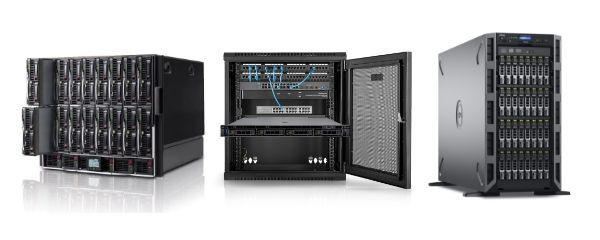
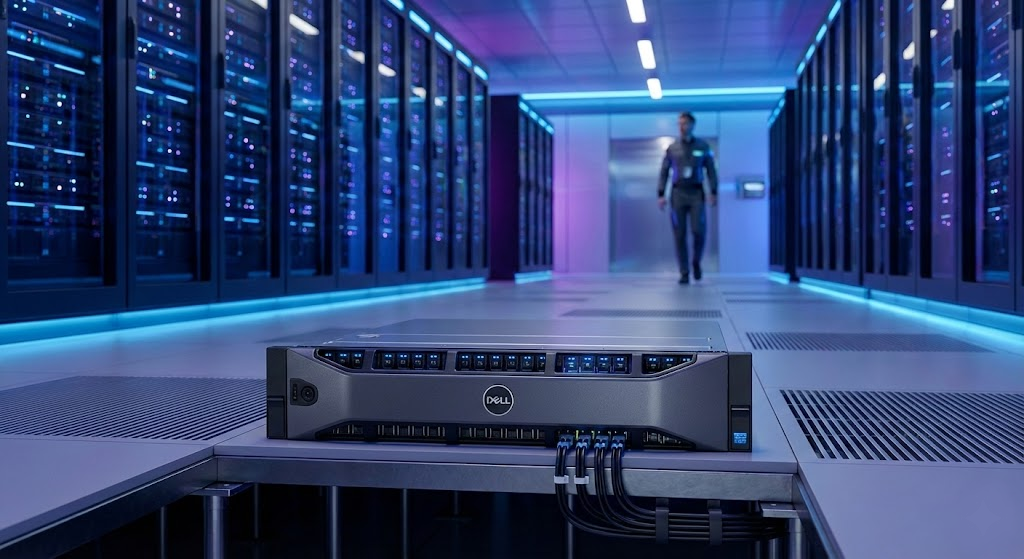
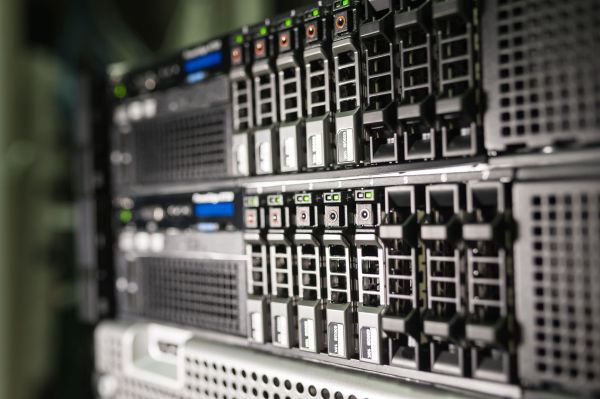
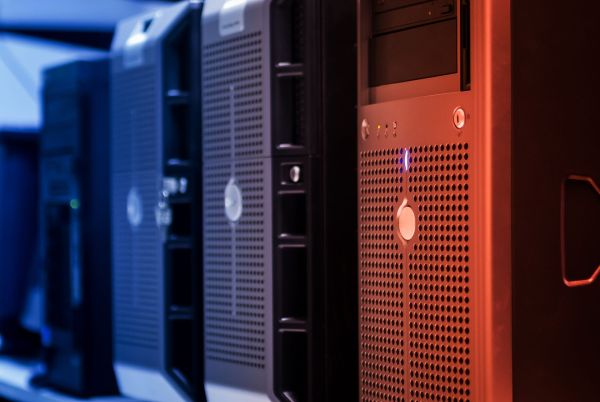
More companies combine these approaches. For example take Dell PowerEdge R740 or R750 from recertified market, launch development and first models while running heavier training in cloud. Meanwhile wait for target hardware – but project already works. Important thing, such secondary market server is not "risk" but often equipment post-testing with full configuration (RAID, iDRAC/iLO, redundant PSU) ready right after network connection. And suddenly instead of waiting year, you can start in week.
FAQ
Worth waiting for new GPUs in 2026 for AI project?
If project business-critical – no. Better start on available infrastructure and scale later than block yourself for year.
Does server without GPU make sense in AI?
Yes, because most work (data, pipelines, integrations) doesn't need GPU and can start earlier.
Are recertified servers safe for AI projects?
Yes, if from verified source – tested, warranted and work as full production infrastructure.
Does cloud solve GPU shortage problem?
Partly, but must account for costs and availability – more supplement than full solution.
What most limits AI projects beyond GPU?
Often RAM, storage and work organization – badly designed environment can block even powerful hardware.