 / USD
/ USD
Server Configurators


- Server Dell PowerEdge R660 8x2.5" with 1x Silver 4509Y, 64GB RAM, H755, 2x 480GB SSD SATA 6G RI 2.5", 2x1GbE RJ45, 2x PSU, rails, iDRAC 9This set includes: 1x Dell PowerEdge R660 8x2.5" server platform 1x Processor Intel Xeon Silver 4509Y 8-core 2.6GHz 22.5MB 125W SRN61 4x 16GB DDR5 RDIMM 5600M...Calculating delivery time...In stock 2Warranty 36 months$11,124.40 $9,044.23
- Server Dell PowerEdge R660 10x2.5" with 2x Silver 4410Y, 64GB RAM, H755, 2x PSU 1400W, rails, iDRAC9 EnterpriseThis set contains: 1x Dell PowerEdge R660 10x2.5" server platform 2x Processor Intel Xeon Silver 4410Y 12-core 2GHz 30MB 150W SRMGE 2x 32GB 4800MHz DDR5 RDIMM ...Calculating delivery time...In stock 1Warranty 36 months$11,295.93 $9,183.68
- Server Dell PowerEdge R660 8x2.5" with 2x Silver 4509Y, 64GB RAM, 2x 480GB SSD SATA 2.5", 2x PSU 700W, rails, iDRAC9 EnterpriseThis set includes: 1x Dell PowerEdge R660 8x2.5" server platform 2x Processor Intel Xeon Silver 4509Y 8-core 2.6GHz 22.5MB 125W SRN61 4x 16GB DDR5 RDIMM 4800MH...Calculating delivery time...In stock 1Warranty 36 months$11,794.64 $9,589.14
- Server Dell PowerEdge R660 8x2.5" with 1x Gold 5416S, 32GB RAM, H355, 2x 960GB SSD SATA 2.5", 4x10GbE SFP+, 2x PSU 1100W, rails, iDRAC9 EnterpriseThis set contains: 1x Dell PowerEdge R660 8x2.5" server platform 1x Processor Intel Xeon Gold 5416S 16-core 2GHz 30MB 150W SRMH2 2x 16GB DDR5 RDIMM 4800MHz RAM...Calculating delivery time...In stock 4Warranty 36 months$12,554.98 $10,207.30
- Server Dell PowerEdge R660 8x2.5" with 2x Silver 4410Y, 64GB RAM, H755, 2x 960GB SSD SAS 12G RI 2.5", 2x PSU 1400W, rails, iDRAC9 EnterpriseThis set includes: 1x Dell PowerEdge R660 8x2.5" server platform 2x Processor Intel Xeon Silver 4410Y 12-core 2GHz 30MB 150W SRMGE 2x 32GB 4800MHz DDR5 RDIMM R...Calculating delivery time...In stock 1Warranty 36 months$12,715.49 $10,337.80
- Server Dell PowerEdge R660 8x2.5" NVMe with 2x Silver 4410Y, 64GB RAM, 2x Dell 960GB SSD NVMe U.2 2.5", 2x 1.92TB SSD NVMe U.2 2.5", 4x10GbE SFP+, 2x PSU 1400W, rails, bezel, iDRAC9 EnterpriseThis set includes: 1x Dell PowerEdge R660 8x2.5" server platform 2x Processor Intel Xeon Silver 4410Y 12-core 2GHz 30MB 150W SRMGE 2x 32GB 4800MHz DDR5 RDIMM R...Calculating delivery time...In stock 4Warranty 36 months$13,558.31 $11,023.02
- Server Dell PowerEdge R660 8x2.5" NVMe with 2x Silver 4410Y, 64GB RAM, BOSS-N1 z 2x Dell 480GB SSD NVMe M.2, 2x 1.92TB SSD NVMe U.2 2.5", 4x10GbE SFP+, 2x PSU 1400W, rails, bezel, iDRAC9 EnterpriseThis set includes: 1x Dell PowerEdge R660 8x2.5" server platform 2x Processor Intel Xeon Silver 4410Y 12-core 2GHz 30MB 150W SRMGE 2x 32GB 4800MHz DDR5 RDIMM R...Calculating delivery time...In stock 4Warranty 36 months$14,442.64 $11,741.98
- Server Dell PowerEdge R660 8x2.5" NVMe with 2x Silver 4410Y, 64GB RAM, 5x 1.92TB SSD NVMe U.2 2.5", 4x10GbE SFP+, 2x PSU 1400W, rails, bezel, iDRAC9 EnterpriseThis set includes: 1x Dell PowerEdge R660 8x2.5" server platform 2x Processor Intel Xeon Silver 4410Y 12-core 2GHz 30MB 150W SRMGE 2x 32GB 4800MHz DDR5 RDIMM R...Calculating delivery time...In stock 4Warranty 36 months$14,572.12 $11,847.25
- Server Dell PowerEdge R660 8x2.5" with 2x Gold 5416S, 32GB RAM, H355, 2x 480GB SSD SATA 2.5", 4x10GbE SFP+, 2x PSU 1100W, rails, iDRAC9 EnterpriseThis set contains: 1x Dell PowerEdge R660 8x2.5" server platform 2x Processor Intel Xeon Gold 5416S 16-core 2GHz 30MB 150W SRMH2 2x 16GB DDR5 RDIMM 4800MHz RAM...Calculating delivery time...In stock 4Warranty 36 months$15,623.78 $12,702.26
- Server Dell PowerEdge R660 8x2.5" NVMe with 2x Silver 4410Y, 64GB RAM, 2x Dell 960GB SSD NVMe U.2 2.5", 5x 1.92TB SSD NVMe U.2 2.5", 4x10GbE SFP+, 2x PSU 1400W, rails, bezel, iDRAC9 EnterpriseThis set includes: 1x Dell PowerEdge R660 8x2.5" server platform 2x Processor Intel Xeon Silver 4410Y 12-core 2GHz 30MB 150W SRMGE 2x 32GB 4800MHz DDR5 RDIMM R...Calculating delivery time...In stock 6Warranty 36 months$15,777.71 $12,827.41
- Server Dell PowerEdge R660 8x2.5" with 2x Gold 5416S, 32GB RAM, H355, 2x 960GB SSD SATA 2.5", 4x10GbE SFP+, 2x PSU 1100W, rails, iDRAC9 EnterpriseThis set contains: 1x Dell PowerEdge R660 8x2.5" server platform 2x Processor Intel Xeon Gold 5416S 16-core 2GHz 30MB 150W SRMH2 2x 16GB DDR5 RDIMM 4800MHz RAM...Calculating delivery time...In stock 4Warranty 36 months$15,897.77 $12,925.02
- Server Dell PowerEdge R660 8x2.5" with 2x Gold 5416S, 32GB RAM, BOSS-N1 z 2x 480GB SSD NVMe M.2, 4x10GbE SFP+, 2x PSU 1100W, rails, iDRAC9 EnterpriseThis set contains: 1x Dell PowerEdge R660 8x2.5" server platform 2x Processor Intel Xeon Gold 5416S 16-core 2GHz 30MB 150W SRMH2 2x 16GB DDR5 RDIMM 4800MHz RAM...Calculating delivery time...In stock 4Warranty 36 months$15,980.92 $12,992.62
- Server Dell PowerEdge R660 8x2.5" NVMe with 2x Silver 4410Y, 64GB RAM, 2x Dell 960GB SSD NVMe U.2 2.5", 4x 3.84TB SSD NVMe U.2 2.5", 4x10GbE SFP+, 2x PSU 1400W, rails, bezel, iDRAC9 EnterpriseThis set includes: 1x Dell PowerEdge R660 8x2.5" server platform 2x Processor Intel Xeon Silver 4410Y 12-core 2GHz 30MB 150W SRMGE 2x 32GB 4800MHz DDR5 RDIMM R...Calculating delivery time...In stock 6Warranty 36 months$16,243.52 $13,206.11
- Server Dell PowerEdge R660 8x2.5" with 1x Silver 4510, 128GB RAM, BOSS-N1 z 2x 480GB SSD NVMe M.2, 4x 1.92TB SSD SATA 2.5", 2x10/25GbE SFP28, 2x PSU 1400W, rails, bezel, iDRAC9 EnterpriseThis set includes: 1x Dell PowerEdge R660 8x2.5" server platform 1x Processor Intel Xeon Silver 4510 12-core 2.4GHz 30MB 150W SRN60 8x 16GB DDR5 RDIMM 5600MHz ...Calculating delivery time...In stock 1Warranty 36 months$16,301.56 $13,253.30
- Server Dell PowerEdge R660 8x2.5" NVMe with 2x Silver 4410Y, 128GB RAM, 2x Dell 960GB SSD NVMe U.2 2.5", 2x 1.92TB SSD NVMe U.2 2.5", 4x10GbE SFP+, 2x PSU 1400W, rails, bezel, iDRAC9 EnterpriseThis set includes: 1x Dell PowerEdge R660 8x2.5" server platform 2x Processor Intel Xeon Silver 4410Y 12-core 2GHz 30MB 150W SRMGE 2x RAM 64GB 4800MHz DDR5 RDI...Calculating delivery time...In stock 4Warranty 36 months$16,306.43 $13,257.26
- Server Dell PowerEdge R660 8x2.5" NVMe with 2x Silver 4410Y, 64GB RAM, 8x 1.92TB SSD NVMe U.2 2.5", 4x10GbE SFP+, 2x PSU 1400W, rails, bezel, iDRAC9 EnterpriseThis set includes: 1x Dell PowerEdge R660 8x2.5" server platform 2x Processor Intel Xeon Silver 4410Y 12-core 2GHz 30MB 150W SRMGE 2x 32GB 4800MHz DDR5 RDIMM R...Calculating delivery time...In stock 6Warranty 36 months$16,791.52 $13,651.64
- Server Dell PowerEdge R660 8x2.5" with 2x Gold 5416S, 64GB RAM, H355, 2x 480GB SSD SATA 2.5", 4x10GbE SFP+, 2x PSU 1100W, rails, iDRAC9 EnterpriseThis set contains: 1x Dell PowerEdge R660 8x2.5" server platform 2x Processor Intel Xeon Gold 5416S 16-core 2GHz 30MB 150W SRMH2 4x 16GB DDR5 RDIMM 4800MHz RAM...Calculating delivery time...In stock 4Warranty 36 months$16,953.93 $13,783.68
- Server Dell PowerEdge R660 8x2.5" NVMe with 2x Silver 4410Y, 64GB RAM, 6x 3.84TB SSD NVMe U.2 2.5", 4x10GbE SFP+, 2x PSU 1400W, rails, bezel, iDRAC9 EnterpriseThis set includes: 1x Dell PowerEdge R660 8x2.5" server platform 2x Processor Intel Xeon Silver 4410Y 12-core 2GHz 30MB 150W SRMGE 2x 32GB 4800MHz DDR5 RDIMM R...Calculating delivery time...In stock 6Warranty 36 months$17,120.31 $13,918.95
- Server Dell PowerEdge R660 8x2.5" NVMe with 2x Silver 4410Y, 128GB RAM, BOSS-N1 z 2x Dell 480GB SSD NVMe M.2, 2x 1.92TB SSD NVMe U.2 2.5", 4x10GbE SFP+, 2x PSU 1400W, rails, bezel, iDRAC9 EnterpriseThis set includes: 1x Dell PowerEdge R660 8x2.5" server platform 2x Processor Intel Xeon Silver 4410Y 12-core 2GHz 30MB 150W SRMGE 2x RAM 64GB 4800MHz DDR5 RDI...Calculating delivery time...In stock 4Warranty 36 months$17,190.75 $13,976.22
- Server Dell PowerEdge R660 8x2.5" with 2x Gold 5416S, 64GB RAM, H355, 2x 960GB SSD SATA 2.5", 4x10GbE SFP+, 2x PSU 1100W, rails, iDRAC9 EnterpriseThis set contains: 1x Dell PowerEdge R660 8x2.5" server platform 2x Processor Intel Xeon Gold 5416S 16-core 2GHz 30MB 150W SRMH2 4x 16GB DDR5 RDIMM 4800MHz RAM...Calculating delivery time...In stock 4Warranty 36 months$17,227.92 $14,006.44
- Server Dell PowerEdge R660 8x2.5" with 2x Gold 5416S, 64GB RAM, BOSS-N1 z 2x 480GB SSD NVMe M.2, 4x10GbE SFP+, 2x PSU 1100W, rails, iDRAC9 EnterpriseThis set contains: 1x Dell PowerEdge R660 8x2.5" server platform 2x Processor Intel Xeon Gold 5416S 16-core 2GHz 30MB 150W SRMH2 4x 16GB DDR5 RDIMM 4800MHz RAM...Calculating delivery time...In stock 4Warranty 36 months$17,311.07 $14,074.04
- Server Dell PowerEdge R660 8x2.5" NVMe with 2x Silver 4410Y, 128GB RAM, 5x 1.92TB SSD NVMe U.2 2.5", 4x10GbE SFP+, 2x PSU 1400W, rails, bezel, iDRAC9 EnterpriseThis set includes: 1x Dell PowerEdge R660 8x2.5" server platform 2x Processor Intel Xeon Silver 4410Y 12-core 2GHz 30MB 150W SRMGE 2x RAM 64GB 4800MHz DDR5 RDI...Calculating delivery time...In stock 4Warranty 36 months$17,320.23 $14,081.49
- Server Dell PowerEdge R660 8x2.5" NVMe with 2x Gold 5416S, 64GB RAM, 2x Dell 960GB SSD NVMe U.2 2.5", 2x 1.92TB SSD NVMe U.2 2.5", 4x10GbE SFP+, 2x PSU 1400W, rails, bezel, iDRAC9 EnterpriseThis set contains: 1x Dell PowerEdge R660 8x2.5" server platform 2x Processor Intel Xeon Gold 5416S 16-core 2GHz 30MB 150W SRMH2 2x 32GB 4800MHz DDR5 RDIMM RAM...Calculating delivery time...In stock 7Warranty 36 months$17,870.39 $14,528.77
- Server Dell PowerEdge R660 8x2.5" NVMe with 2x Silver 4410Y, 64GB RAM, 4x Dell 7.68TB SSD NVMe U.2 2.5", 4x10GbE SFP+, 2x PSU 1400W, rails, bezel, iDRAC9 EnterpriseThis set includes: 1x Dell PowerEdge R660 8x2.5" server platform 2x Processor Intel Xeon Silver 4410Y 12-core 2GHz 30MB 150W SRMGE 2x 32GB 4800MHz DDR5 RDIMM R...Calculating delivery time...In stock 6Warranty 36 months$18,216.31 $14,810.01
- Server Dell PowerEdge R660 8x2.5" NVMe with 2x Silver 4410Y, 128GB RAM, 2x Dell 960GB SSD NVMe U.2 2.5", 5x 1.92TB SSD NVMe U.2 2.5", 4x10GbE SFP+, 2x PSU 1400W, rails, bezel, iDRAC9 EnterpriseThis set includes: 1x Dell PowerEdge R660 8x2.5" server platform 2x Processor Intel Xeon Silver 4410Y 12-core 2GHz 30MB 150W SRMGE 2x RAM 64GB 4800MHz DDR5 RDI...Calculating delivery time...In stock 6Warranty 36 months$18,525.83 $15,061.65
- Server Dell PowerEdge R660 8x2.5" with 2x Gold 5416S, 64GB RAM, BOSS-N1 with 2x Dell 480GB SSD NVMe M.2, 2x 1.92TB SSD PCIe NVMe x4 2.5", 4x10GbE SFP+, 2x PSU, rails, bezel, iDRAC 9This set contains: 1x Dell PowerEdge R660 8x2.5" server platform 2x Processor Intel Xeon Gold 5416S 16-core 2GHz 30MB 150W SRMH2 2x 32GB 4800MHz DDR5 RDIMM RAM...Calculating delivery time...In stock 7Warranty 36 months$18,754.71 $15,247.73
- Server Dell PowerEdge R660 8x2.5" with 2x Gold 5416S, 64GB RAM, 5x 1.92TB SSD PCIe NVMe x4 2.5", 4x10GbE SFP+, 2x PSU, rails, bezel, iDRAC 9This set contains: 1x Dell PowerEdge R660 8x2.5" server platform 2x Processor Intel Xeon Gold 5416S 16-core 2GHz 30MB 150W SRMH2 2x 32GB 4800MHz DDR5 RDIMM RAM...Calculating delivery time...In stock 2Warranty 36 months$18,884.19 $15,353.00
- Server Dell PowerEdge R660 8x2.5" NVMe with 2x Silver 4410Y, 128GB RAM, 2x Dell 960GB SSD NVMe U.2 2.5", 4x 3.84TB SSD NVMe U.2 2.5", 4x10GbE SFP+, 2x PSU 1400W, rails, bezel, iDRAC9 EnterpriseThis set includes: 1x Dell PowerEdge R660 8x2.5" server platform 2x Processor Intel Xeon Silver 4410Y 12-core 2GHz 30MB 150W SRMGE 2x RAM 64GB 4800MHz DDR5 RDI...Calculating delivery time...In stock 6Warranty 36 months$18,991.63 $15,440.35
- Server Dell PowerEdge R660 8x2.5" with 2x Gold 6426Y, 128GB RAM, H755, 3x 960GB SSD SAS 12G RI 2.5", 2x25GbE SFP28, 2x PSU 1100W, rails, iDRAC9 EnterpriseThis set contains: 1x Dell PowerEdge R660 8x2.5" server platform 2x Processor Intel Xeon Gold 6426Y 16-core 2.5GHz 37.5MB 185W SRMGF 4x 32GB 4800MHz DDR5 RDIMM...Calculating delivery time...In stock 2Warranty 36 months$19,170.21 $15,585.54
- Server Dell PowerEdge R660 8x2.5" with 2x Gold 5416S, 64GB RAM, 4x 3.84TB SSD PCIe NVMe x4 2.5", 4x10GbE SFP+, 2x PSU, rails, bezel, iDRAC 9This set contains: 1x Dell PowerEdge R660 8x2.5" server platform 2x Processor Intel Xeon Gold 5416S 16-core 2GHz 30MB 150W SRMH2 2x 32GB 4800MHz DDR5 RDIMM RAM...Calculating delivery time...In stock 2Warranty 36 months$19,349.99 $15,731.70
- Server Dell PowerEdge R660 8x2.5" NVMe with 2x Silver 4410Y, 64GB RAM, 2x Dell 960GB SSD NVMe U.2 2.5", 4x Dell 7.68TB SSD NVMe U.2 2.5", 4x10GbE SFP+, 2x PSU 1400W, rails, bezel, iDRAC9 EnterpriseThis set includes: 1x Dell PowerEdge R660 8x2.5" server platform 2x Processor Intel Xeon Silver 4410Y 12-core 2GHz 30MB 150W SRMGE 2x 32GB 4800MHz DDR5 RDIMM R...Calculating delivery time...In stock 6Warranty 36 months$19,421.91 $15,790.17
- Server Dell PowerEdge R660 8x2.5" NVMe with 2x Silver 4410Y, 128GB RAM, 8x 1.92TB SSD NVMe U.2 2.5", 4x10GbE SFP+, 2x PSU 1400W, rails, bezel, iDRAC9 EnterpriseThis set includes: 1x Dell PowerEdge R660 8x2.5" server platform 2x Processor Intel Xeon Silver 4410Y 12-core 2GHz 30MB 150W SRMGE 2x RAM 64GB 4800MHz DDR5 RDI...Calculating delivery time...In stock 6Warranty 36 months$19,539.63 $15,885.88
- Server Dell PowerEdge R660 8x2.5" with 2x Gold 5416S, 128GB RAM, H355, 2x 480GB SSD SATA 2.5", 4x10GbE SFP+, 2x PSU 1100W, rails, iDRAC9 EnterpriseThis set contains: 1x Dell PowerEdge R660 8x2.5" server platform 2x Processor Intel Xeon Gold 5416S 16-core 2GHz 30MB 150W SRMH2 8x 16GB DDR5 RDIMM 4800MHz RAM...Calculating delivery time...In stock 4Warranty 36 months$19,614.23 $15,946.53
- Server Dell PowerEdge R660 8x2.5" NVMe with 2x Silver 4410Y, 128GB RAM, 6x 3.84TB SSD NVMe U.2 2.5", 4x10GbE SFP+, 2x PSU 1400W, rails, bezel, iDRAC9 EnterpriseThis set includes: 1x Dell PowerEdge R660 8x2.5" server platform 2x Processor Intel Xeon Silver 4410Y 12-core 2GHz 30MB 150W SRMGE 2x RAM 64GB 4800MHz DDR5 RDI...Calculating delivery time...In stock 6Warranty 36 months$19,868.42 $16,153.19
- Server Dell PowerEdge R660 8x2.5" with 2x Gold 5416S, 128GB RAM, H355, 2x 960GB SSD SATA 2.5", 4x10GbE SFP+, 2x PSU 1100W, rails, iDRAC9 EnterpriseThis set contains: 1x Dell PowerEdge R660 8x2.5" server platform 2x Processor Intel Xeon Gold 5416S 16-core 2GHz 30MB 150W SRMH2 8x 16GB DDR5 RDIMM 4800MHz RAM...Calculating delivery time...In stock 4Warranty 36 months$19,888.23 $16,169.29
- Server Dell PowerEdge R660 8x2.5" with 2x Gold 5416S, 128GB RAM, BOSS-N1 z 2x 480GB SSD NVMe M.2, 4x10GbE SFP+, 2x PSU 1100W, rails, iDRAC9 EnterpriseThis set contains: 1x Dell PowerEdge R660 8x2.5" server platform 2x Processor Intel Xeon Gold 5416S 16-core 2GHz 30MB 150W SRMH2 8x 16GB DDR5 RDIMM 4800MHz RAM...Calculating delivery time...In stock 4Warranty 36 months$19,971.36 $16,236.88
- Server Dell PowerEdge R660 8x2.5" NVMe with 2x Gold 5416S, 64GB RAM, 2x Dell 960GB SSD NVMe U.2 2.5", 5x 1.92TB SSD NVMe U.2 2.5", 4x10GbE SFP+, 2x PSU 1400W, rails, bezel, iDRAC9 EnterpriseThis set contains: 1x Dell PowerEdge R660 8x2.5" server platform 2x Processor Intel Xeon Gold 5416S 16-core 2GHz 30MB 150W SRMH2 2x 32GB 4800MHz DDR5 RDIMM RAM...Calculating delivery time...In stock 2Warranty 36 months$20,089.79 $16,333.16
- Server Dell PowerEdge R660 8x2.5" NVMe with 2x Gold 5416S, 64GB RAM, 2x Dell 960GB SSD NVMe U.2 2.5", 4x 3.84TB SSD NVMe U.2 2.5", 4x10GbE SFP+, 2x PSU 1400W, rails, bezel, iDRAC9 EnterpriseThis set contains: 1x Dell PowerEdge R660 8x2.5" server platform 2x Processor Intel Xeon Gold 5416S 16-core 2GHz 30MB 150W SRMH2 2x 32GB 4800MHz DDR5 RDIMM RAM...Calculating delivery time...In stock 2Warranty 36 months$20,555.59 $16,711.86
- Server Dell PowerEdge R660 8x2.5" NVMe with 2x Gold 5416S, 128GB RAM, 2x Dell 960GB SSD NVMe U.2 2.5", 2x 1.92TB SSD NVMe U.2 2.5", 4x10GbE SFP+, 2x PSU 1400W, rails, bezel, iDRAC9 EnterpriseThis set contains: 1x Dell PowerEdge R660 8x2.5" server platform 2x Processor Intel Xeon Gold 5416S 16-core 2GHz 30MB 150W SRMH2 2x RAM 64GB 4800MHz DDR5 RDIMM...Calculating delivery time...In stock 7Warranty 36 months$20,618.50 $16,763.01
- Server Dell PowerEdge R660 8x2.5" NVMe with 2x Gold 6526Y, 64GB RAM, 4x 3.84TB SSD NVMe U.2 2.5", 4x10GbE SFP+, 2x PSU 1400W, rails, bezel, iDRAC9 EnterpriseThis set contains: 1x Dell PowerEdge R660 8x2.5" server platform 2x Processor Intel Xeon Gold 6526Y 16-core 2.8GHz 37.5MB 195W SRN6N 2x 32GB 4800MHz DDR5 RDIMM...Calculating delivery time...In stock 5Warranty 36 months$20,956.31 $17,037.65
- Server Dell PowerEdge R660 8x2.5" NVMe with 2x Silver 4410Y, 128GB RAM, 4x Dell 7.68TB SSD NVMe U.2 2.5", 4x10GbE SFP+, 2x PSU 1400W, rails, bezel, iDRAC9 EnterpriseThis set includes: 1x Dell PowerEdge R660 8x2.5" server platform 2x Processor Intel Xeon Silver 4410Y 12-core 2GHz 30MB 150W SRMGE 2x RAM 64GB 4800MHz DDR5 RDI...Calculating delivery time...In stock 6Warranty 36 months$20,964.43 $17,044.25
- Server Dell PowerEdge R660 8x2.5" with 2x Gold 5416S, 64GB RAM, 6x 3.84TB SSD PCIe NVMe x4 2.5", 4x10GbE SFP+, 2x PSU, rails, bezel, iDRAC 9This set contains: 1x Dell PowerEdge R660 8x2.5" server platform 2x Processor Intel Xeon Gold 5416S 16-core 2GHz 30MB 150W SRMH2 2x 32GB 4800MHz DDR5 RDIMM RAM...Calculating delivery time...In stock 2Warranty 36 months$21,432.39 $17,424.71
- Server Dell PowerEdge R660 8x2.5" with 2x Gold 5416S, 128GB RAM, BOSS-N1 with 2x Dell 480GB SSD NVMe M.2, 2x 1.92TB SSD PCIe NVMe x4 2.5", 4x10GbE SFP+, 2x PSU, rails, bezel, iDRAC 9This set contains: 1x Dell PowerEdge R660 8x2.5" server platform 2x Processor Intel Xeon Gold 5416S 16-core 2GHz 30MB 150W SRMH2 2x RAM 64GB 4800MHz DDR5 RDIMM...Calculating delivery time...In stock 7Warranty 36 months$21,502.82 $17,481.97
- Server Dell PowerEdge R660 8x2.5" NVMe with 2x Silver 4410Y, 256GB RAM, 2x Dell 960GB SSD NVMe U.2 2.5", 2x 1.92TB SSD NVMe U.2 2.5", 4x10GbE SFP+, 2x PSU 1400W, rails, bezel, iDRAC9 EnterpriseThis set includes: 1x Dell PowerEdge R660 8x2.5" server platform 2x Processor Intel Xeon Silver 4410Y 12-core 2GHz 30MB 150W SRMGE 4x RAM 64GB 4800MHz DDR5 RDI...Calculating delivery time...In stock 4Warranty 36 months$21,512.43 $17,489.78
- Server Dell PowerEdge R660 8x2.5" with 2x Gold 5416S, 128GB RAM, 5x 1.92TB SSD PCIe NVMe x4 2.5", 4x10GbE SFP+, 2x PSU, rails, bezel, iDRAC 9This set contains: 1x Dell PowerEdge R660 8x2.5" server platform 2x Processor Intel Xeon Gold 5416S 16-core 2GHz 30MB 150W SRMH2 2x RAM 64GB 4800MHz DDR5 RDIMM...Calculating delivery time...In stock 2Warranty 36 months$21,632.31 $17,587.24
- Server Dell PowerEdge R660 8x2.5" with 2x Gold 5416S, 128GB RAM, 4x 3.84TB SSD PCIe NVMe x4 2.5", 4x10GbE SFP+, 2x PSU, rails, bezel, iDRAC 9This set contains: 1x Dell PowerEdge R660 8x2.5" server platform 2x Processor Intel Xeon Gold 5416S 16-core 2GHz 30MB 150W SRMH2 2x RAM 64GB 4800MHz DDR5 RDIMM...Calculating delivery time...In stock 2Warranty 36 months$22,098.11 $17,965.94
- Server Dell PowerEdge R660 8x2.5" NVMe with 2x Gold 6526Y, 64GB RAM, 2x Dell 960GB SSD NVMe U.2 2.5", 4x 3.84TB SSD NVMe U.2 2.5", 4x10GbE SFP+, 2x PSU 1400W, rails, bezel, iDRAC9 EnterpriseThis set contains: 1x Dell PowerEdge R660 8x2.5" server platform 2x Processor Intel Xeon Gold 6526Y 16-core 2.8GHz 37.5MB 195W SRN6N 2x 32GB 4800MHz DDR5 RDIMM...Calculating delivery time...In stock 5Warranty 36 months$22,161.92 $18,017.82
- Server Dell PowerEdge R660 8x2.5" NVMe with 2x Silver 4410Y, 128GB RAM, 2x Dell 960GB SSD NVMe U.2 2.5", 4x Dell 7.68TB SSD NVMe U.2 2.5", 4x10GbE SFP+, 2x PSU 1400W, rails, bezel, iDRAC9 EnterpriseThis set includes: 1x Dell PowerEdge R660 8x2.5" server platform 2x Processor Intel Xeon Silver 4410Y 12-core 2GHz 30MB 150W SRMGE 2x RAM 64GB 4800MHz DDR5 RDI...Calculating delivery time...In stock 6Warranty 36 months$22,170.02 $18,024.41
- Server Dell PowerEdge R660 8x2.5" NVMe with 2x Silver 4410Y, 256GB RAM, BOSS-N1 z 2x Dell 480GB SSD NVMe M.2, 2x 1.92TB SSD NVMe U.2 2.5", 4x10GbE SFP+, 2x PSU 1400W, rails, bezel, iDRAC9 EnterpriseThis set includes: 1x Dell PowerEdge R660 8x2.5" server platform 2x Processor Intel Xeon Silver 4410Y 12-core 2GHz 30MB 150W SRMGE 4x RAM 64GB 4800MHz DDR5 RDI...Calculating delivery time...In stock 4Warranty 36 months$22,396.75 $18,208.74
- Server Dell PowerEdge R660 8x2.5" NVMe with 2x Silver 4410Y, 256GB RAM, 5x 1.92TB SSD NVMe U.2 2.5", 4x10GbE SFP+, 2x PSU 1400W, rails, bezel, iDRAC9 EnterpriseThis set includes: 1x Dell PowerEdge R660 8x2.5" server platform 2x Processor Intel Xeon Silver 4410Y 12-core 2GHz 30MB 150W SRMGE 4x RAM 64GB 4800MHz DDR5 RDI...Calculating delivery time...In stock 4Warranty 36 months$22,526.23 $18,314.01
- Server Dell PowerEdge R660 8x2.5" with 2x Gold 5416S, 64GB RAM, 4x DELL 7.68TB SSD NVMe U.2 2.5", 4x10GbE SFP+, 2x PSU, rails, bezel, iDRAC 9This set contains: 1x Dell PowerEdge R660 8x2.5" server platform 2x Processor Intel Xeon Gold 5416S 16-core 2GHz 30MB 150W SRMH2 2x 32GB 4800MHz DDR5 RDIMM RAM...Calculating delivery time...In stock 5Warranty 36 months$22,528.38 $18,315.76
- Server Dell PowerEdge R660 8x2.5" NVMe with 2x Gold 5416S, 128GB RAM, 2x Dell 960GB SSD NVMe U.2 2.5", 5x 1.92TB SSD NVMe U.2 2.5", 4x10GbE SFP+, 2x PSU 1400W, rails, bezel, iDRAC9 EnterpriseThis set contains: 1x Dell PowerEdge R660 8x2.5" server platform 2x Processor Intel Xeon Gold 5416S 16-core 2GHz 30MB 150W SRMH2 2x RAM 64GB 4800MHz DDR5 RDIMM...Calculating delivery time...In stock 2Warranty 36 months$22,837.90 $18,567.40
- Server Dell PowerEdge R660 8x2.5" with 2x Gold 5416S, 32GB RAM, H355, BOSS-N1 z 2x 480GB SSD NVMe M.2, 4x 7.68TB SSD SAS 12G RI 2.5", 4x10GbE SFP+, 2x PSU 1100W, rails, iDRAC9 EnterpriseThis set contains: 1x Dell PowerEdge R660 8x2.5" server platform 2x Processor Intel Xeon Gold 5416S 16-core 2GHz 30MB 150W SRMH2 2x 16GB DDR5 RDIMM 4800MHz RAM...Calculating delivery time...In stock 4Warranty 36 months$23,164.65 $18,833.05
- Server Dell PowerEdge R660 8x2.5" NVMe with 2x Gold 5416S, 128GB RAM, 2x Dell 960GB SSD NVMe U.2 2.5", 4x 3.84TB SSD NVMe U.2 2.5", 4x10GbE SFP+, 2x PSU 1400W, rails, bezel, iDRAC9 EnterpriseThis set contains: 1x Dell PowerEdge R660 8x2.5" server platform 2x Processor Intel Xeon Gold 5416S 16-core 2GHz 30MB 150W SRMH2 2x RAM 64GB 4800MHz DDR5 RDIMM...Calculating delivery time...In stock 7Warranty 36 months$23,303.70 $18,946.10
- Server Dell PowerEdge R660 8x2.5" NVMe with 2x Gold 6526Y, 128GB RAM, 4x 3.84TB SSD NVMe U.2 2.5", 4x10GbE SFP+, 2x PSU 1400W, rails, bezel, iDRAC9 EnterpriseThis set contains: 1x Dell PowerEdge R660 8x2.5" server platform 2x Processor Intel Xeon Gold 6526Y 16-core 2.8GHz 37.5MB 195W SRN6N 2x RAM 64GB 4800MHz DDR5 R...Calculating delivery time...In stock 5Warranty 36 months$23,704.42 $19,271.89
- Server Dell PowerEdge R660 8x2.5" NVMe with 2x Silver 4410Y, 256GB RAM, 2x Dell 960GB SSD NVMe U.2 2.5", 5x 1.92TB SSD NVMe U.2 2.5", 4x10GbE SFP+, 2x PSU 1400W, rails, bezel, iDRAC9 EnterpriseThis set includes: 1x Dell PowerEdge R660 8x2.5" server platform 2x Processor Intel Xeon Silver 4410Y 12-core 2GHz 30MB 150W SRMGE 4x RAM 64GB 4800MHz DDR5 RDI...Calculating delivery time...In stock 6Warranty 36 months$23,731.83 $19,294.17
- Server Dell PowerEdge R660 8x2.5" NVMe with 2x Gold 5416S, 64GB RAM, 2x Dell 960GB SSD NVMe U.2 2.5", 4x Dell 7.68TB SSD NVMe U.2 2.5", 4x10GbE SFP+, 2x PSU 1400W, rails, bezel, iDRAC9 EnterpriseThis set contains: 1x Dell PowerEdge R660 8x2.5" server platform 2x Processor Intel Xeon Gold 5416S 16-core 2GHz 30MB 150W SRMH2 2x 32GB 4800MHz DDR5 RDIMM RAM...Calculating delivery time...In stock 5Warranty 36 months$23,733.99 $19,295.93
- Server Dell PowerEdge R660 8x2.5" NVMe with 2x Gold 6526Y, 64GB RAM, 4x Dell 7.68TB SSD NVMe U.2 2.5", 4x10GbE SFP+, 2x PSU 1400W, rails, bezel, iDRAC9 EnterpriseThis set contains: 1x Dell PowerEdge R660 8x2.5" server platform 2x Processor Intel Xeon Gold 6526Y 16-core 2.8GHz 37.5MB 195W SRN6N 2x 32GB 4800MHz DDR5 RDIMM...Calculating delivery time...In stock 5Warranty 36 months$24,134.72 $19,621.72
- Server Dell PowerEdge R660 8x2.5" with 2x Gold 5416S, 128GB RAM, 6x 3.84TB SSD PCIe NVMe x4 2.5", 4x10GbE SFP+, 2x PSU, rails, bezel, iDRAC 9This set contains: 1x Dell PowerEdge R660 8x2.5" server platform 2x Processor Intel Xeon Gold 5416S 16-core 2GHz 30MB 150W SRMH2 2x RAM 64GB 4800MHz DDR5 RDIMM...Calculating delivery time...In stock 2Warranty 36 months$24,180.51 $19,658.95
- Server Dell PowerEdge R660 8x2.5" NVMe with 2x Silver 4410Y, 256GB RAM, 2x Dell 960GB SSD NVMe U.2 2.5", 4x 3.84TB SSD NVMe U.2 2.5", 4x10GbE SFP+, 2x PSU 1400W, rails, bezel, iDRAC9 EnterpriseThis set includes: 1x Dell PowerEdge R660 8x2.5" server platform 2x Processor Intel Xeon Silver 4410Y 12-core 2GHz 30MB 150W SRMGE 4x RAM 64GB 4800MHz DDR5 RDI...Calculating delivery time...In stock 6Warranty 36 months$24,197.63 $19,672.87
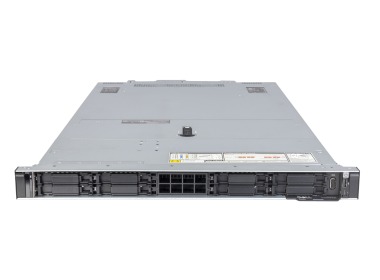
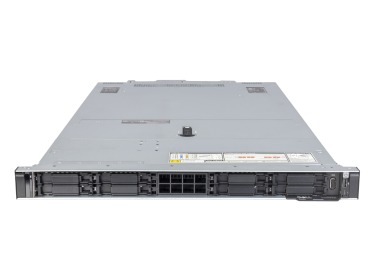
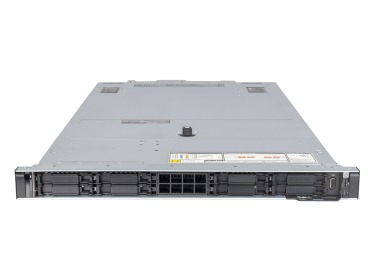
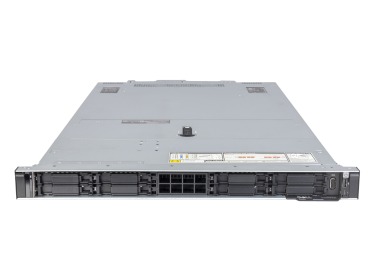
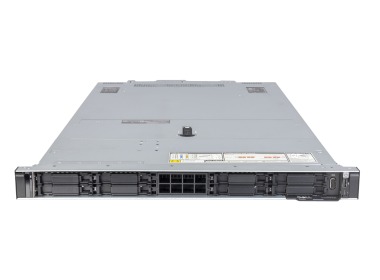
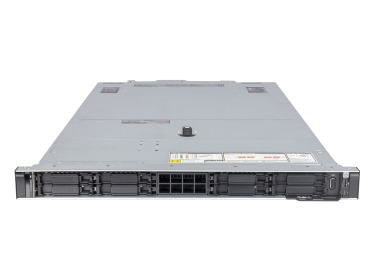
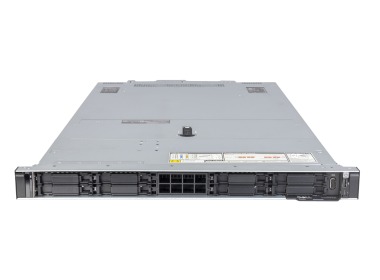

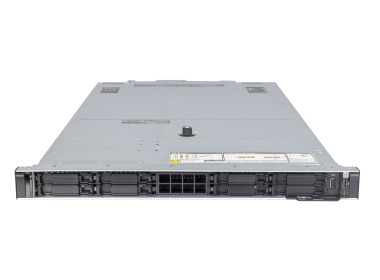

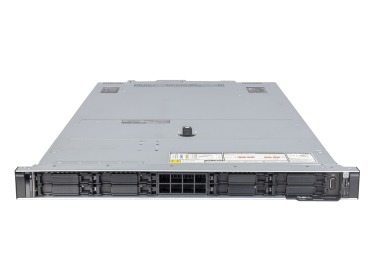
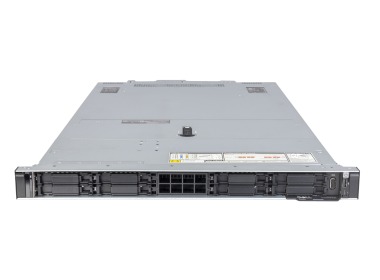
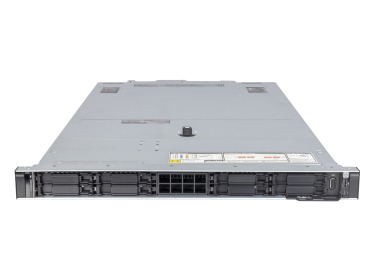
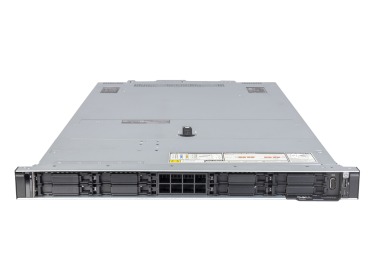
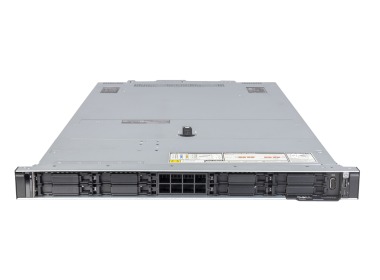

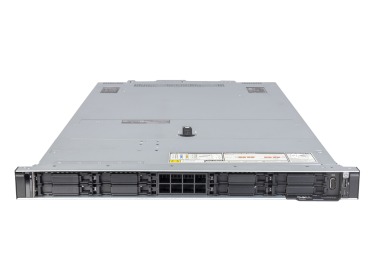
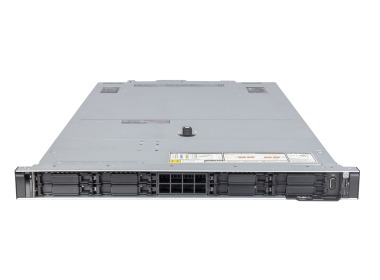

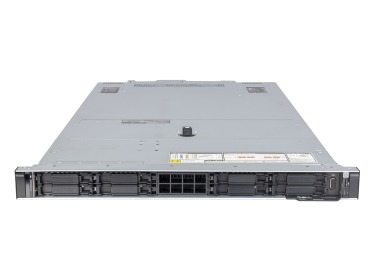
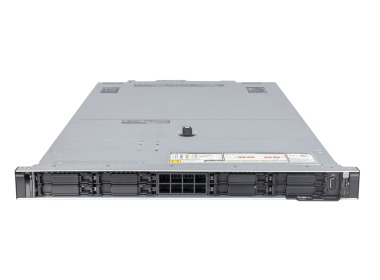
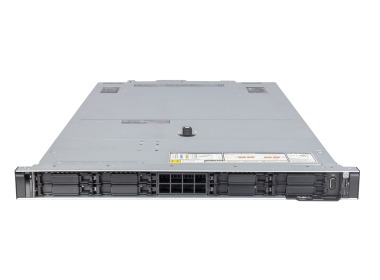
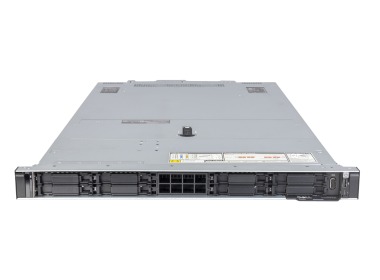
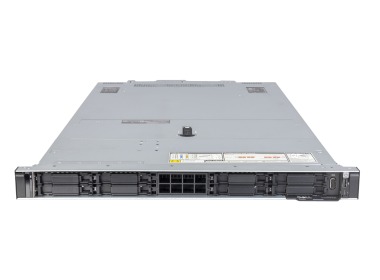
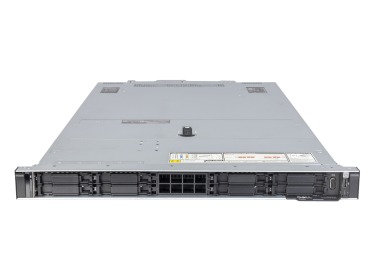
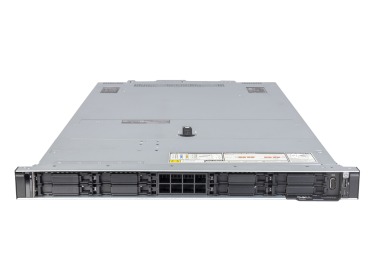
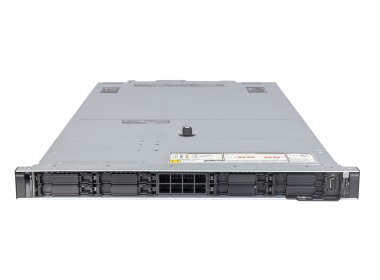
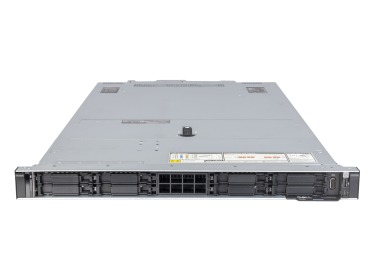
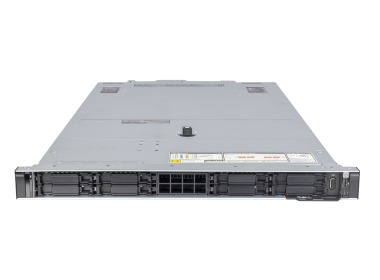
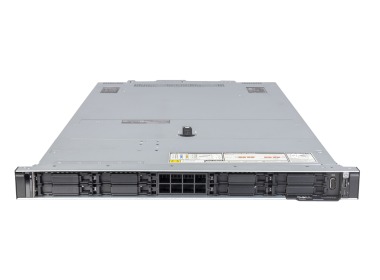
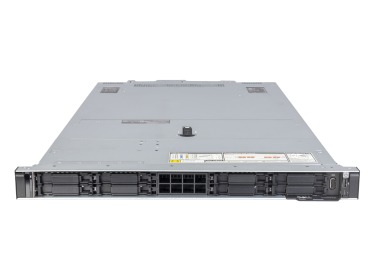

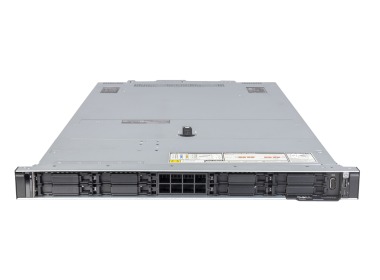

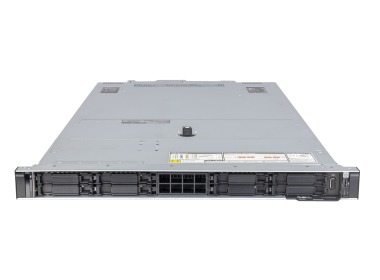
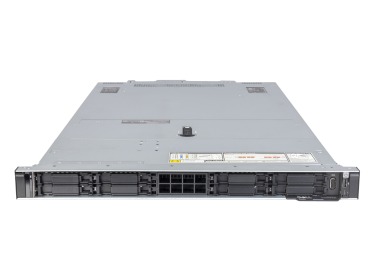
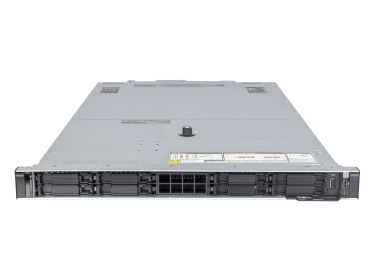
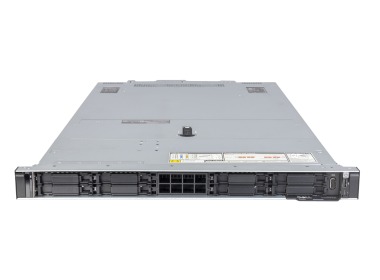
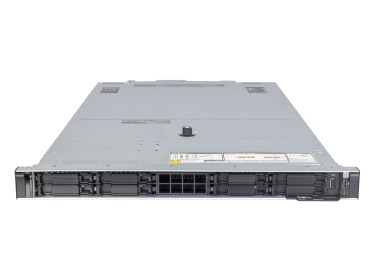
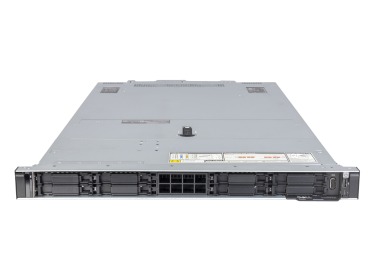
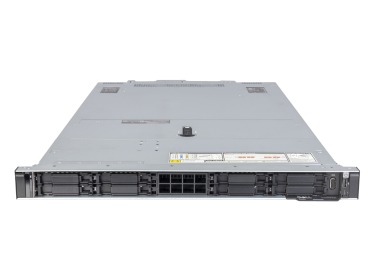
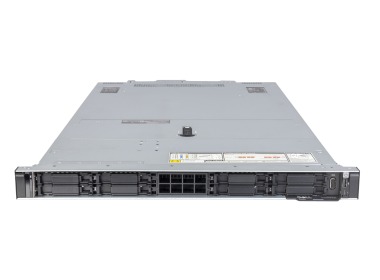
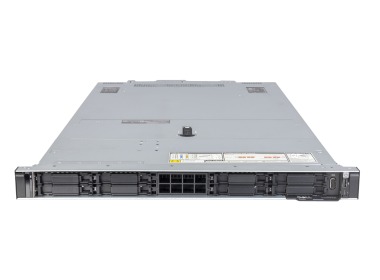
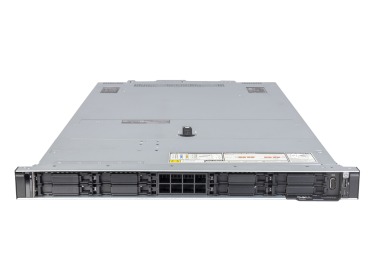
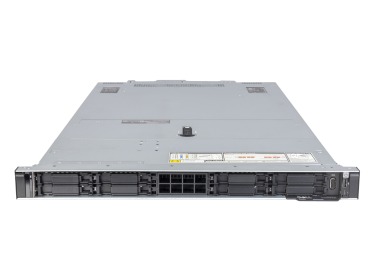
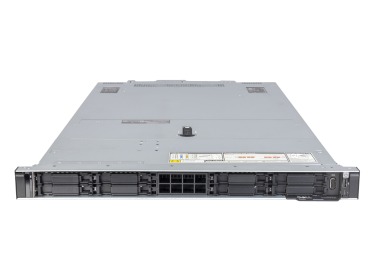
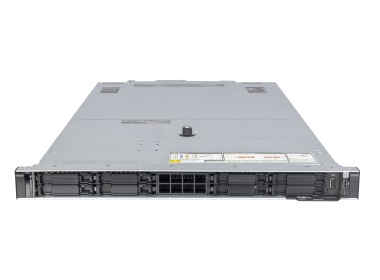
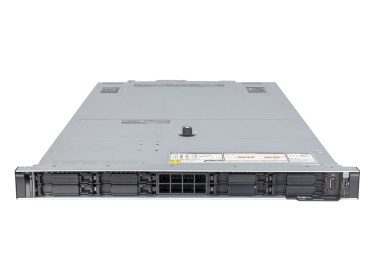
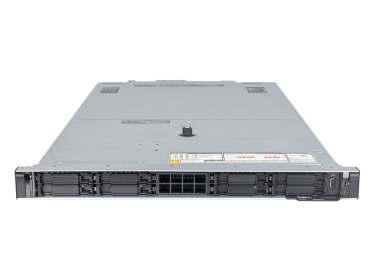
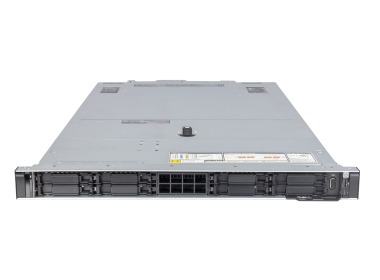
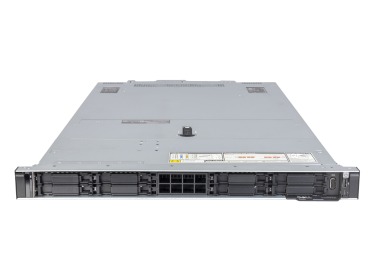
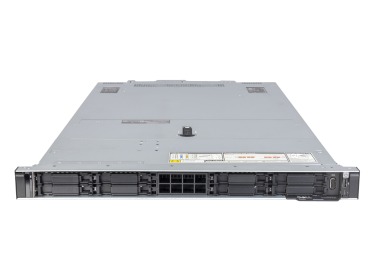
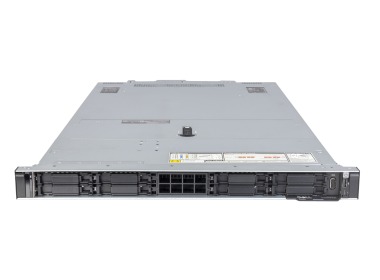
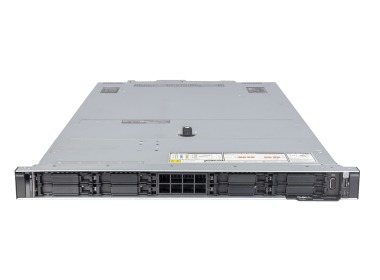
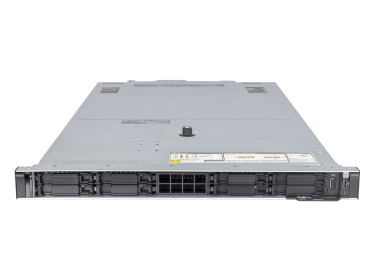
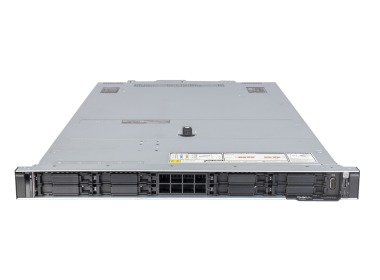
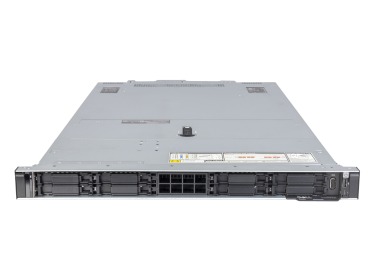
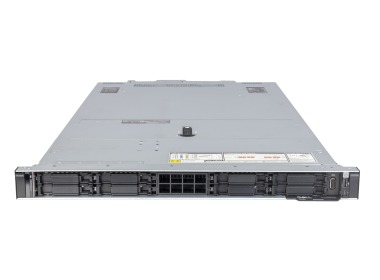
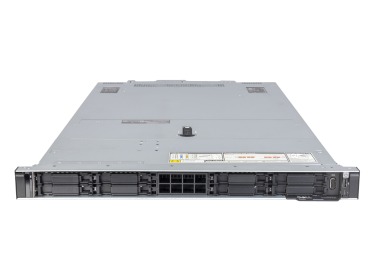
There are servers that impress with the number of cores, and there are those that amaze with real performance per inch of chassis. Dell PowerEdge R660 belongs to the second category. It is a compact, single-unit rack server in 1U format, which – despite its small size – is capable of handling very demanding environments: from virtualization, through data analytics, to containerized environments and CI/CD. If you are looking for maximum computing power with minimal rack space occupation, this model is one of the most powerful options in Hardware Direct's offer.
Dell PowerEdge R660 – what can a 1U enterprise-class server do?
Dell PowerEdge R660 is a server from the G16 generation, based on dual-processor Intel Xeon Scalable 4th generation (Sapphire Rapids) platforms. Dell released this series in the first quarter of 2023 as a response to organizations that expect enterprise-class performance in the smallest possible rack format. This is a model that combines high computational density with energy efficiency, enabling support for the most resource-intensive applications in limited server room space.
The R660 variant can be equipped with up to 2 4th Gen Xeon processors – depending on configuration, this can be as many as up to 56 cores per CPU and 112 threads in a single server. Plus support for 32 DDR5 RAM modules, PCIe Gen5 interfaces, support for NVMe U.2 and E3.S, as well as up to 10 2.5" disk bays in the front panel. All of this enclosed in a 1U chassis, which fits practically anywhere. Dell PowerEdge R660 is ideal for environments where both space and uncompromising power matter.
Importantly, the server also supports modern management and automation systems – such as iDRAC 9 Enterprise, Redfish API, integrations with VMware, Windows Server, Red Hat, SUSE and other enterprise-class environments. This is not just a physical machine, but a complete operating platform for managing your IT environment.
What distinguishes Dell PowerEdge R660 from other rack servers?
First and foremost – computational efficiency in 1U. Dell focused on maximizing throughput and resource density, which means PowerEdge R660 is not just an alternative to larger machines – in many applications it actually replaces them. Thanks to PCIe Gen5 support you can connect accelerator cards, faster NICs or disk controllers that previously required larger units. This gives you configuration freedom even with limited chassis size.
The second feature is a comprehensive security approach – the hardware supports Secure Boot, TPM 2.0, automatic memory clearing after restart, as well as BIOS and BMC hardware protections. For many customers in the financial, medical or technology sectors, this is not just an add-on – it's a compliance obligation with regulations (e.g., ISO/IEC 27001, HIPAA, PCI-DSS). Dell PowerEdge R660 meets these requirements without additional licenses.
The third distinguishing feature is energy efficiency and cooling – through the use of intelligent fans, optimized radiators and support for Dell Multi-Vector Cooling 2.0, the server maintains stable operating temperature even under full load. This matters where server density per rack reaches a dozen or more units, and every additional watt translates into real operating costs.
Dell PowerEdge R660 – where does it work best?
Virtual environments (VMware, Hyper-V, Proxmox) – this is the first place where Dell PowerEdge R660 shows the full extent of its capabilities. In a single unit you can run dozens of VMs, simultaneously supporting various testing, staging and production environments. Thanks to large amounts of RAM and fast NVMe disks, machine migration and replication operate without delays.
The second group is companies using databases and transactional systems – SQL Server, Oracle, SAP HANA. High memory throughput, low IOPS latency, large number of cores – all of this translates into faster reporting, backup and transactional operations, especially with high query volume and multiple concurrent users.
The last, but equally important segment is development environments and containerization. If you use Docker, Kubernetes, Jenkins, GitLab CI/CD – PowerEdge R660 allows you to create a node that can serve as both master and multiple workers. CPU performance and PCIe Gen5 mean you can confidently build microservice applications without "bottlenecks" during builds and tests.