/ USD
/ USD
IT infrastructure planning requires balancing architecture, budget, and deployment schedules. In today’s fast-paced environment, procurement lead time is often the critical factor determining a project's success.
While the market has largely stabilized following global semiconductor shortages, official distribution channels still face significant constraints. For enterprise-grade servers and components, lead times can stretch from days to many weeks, creating a genuine risk of schedule slippage and delayed service launches.
Why Do Delays Occur?
The primary issue in official distribution is often not a total lack of inventory, but the standard CTO (Configure-to-Order) fulfillment model. Each component must be sourced, assembled, and tested within the manufacturer’s supply chain. This approach is highly vulnerable to single-component shortages.
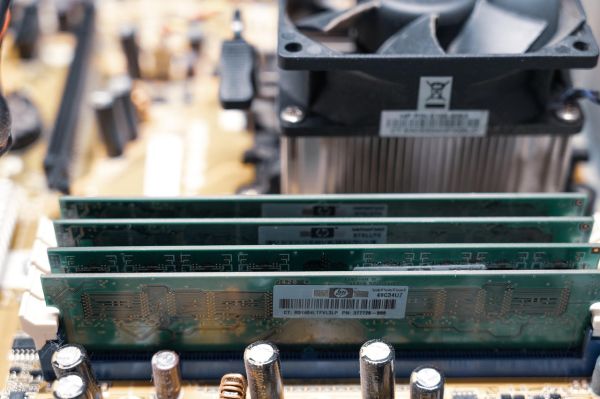
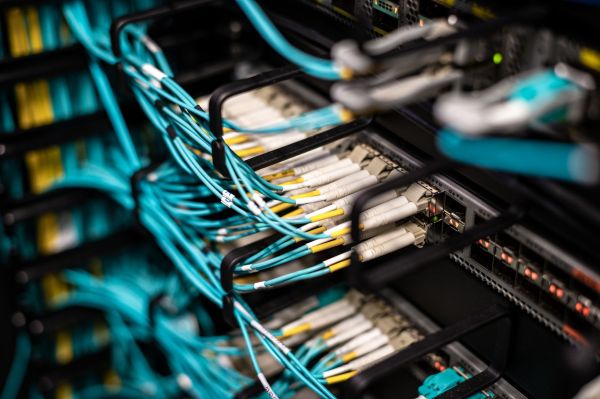
Common bottlenecks include high-demand items like server GPUs, high-core-count processors, DDR5 memory, and enterprise-class NVMe SSDs. Even minor components—such as specialized cables, network cards, or power modules—can halt the entire shipment, regardless of whether other critical parts are ready.
Impact on IT Projects
Hardware delivery delays can postpone entire projects, causing missed deployment windows and operational losses. For infrastructure architects, this creates "project freezing," where ROI expected in a specific quarter is pushed into the next fiscal year.
Particularly sensitive are projects requiring cohesive hardware architecture, such as cluster expansion, storage modernization, or node additions to existing environments. Any fluctuation in component availability can compromise configuration compatibility and project timelines.
Our Approach: Diversified Availability Strategy
At Hardware Direct, we have built an operational model that serves as an alternative to rigid corporate procedures. Our approach is based on logistical independence and maintaining a physical equipment buffer, which remains a rarity in the enterprise sector.

Key Supply Advantages:
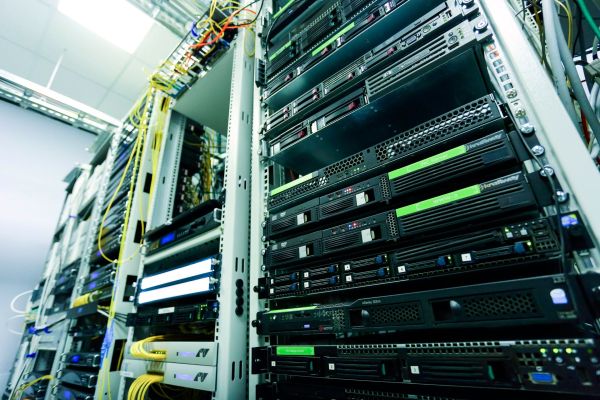
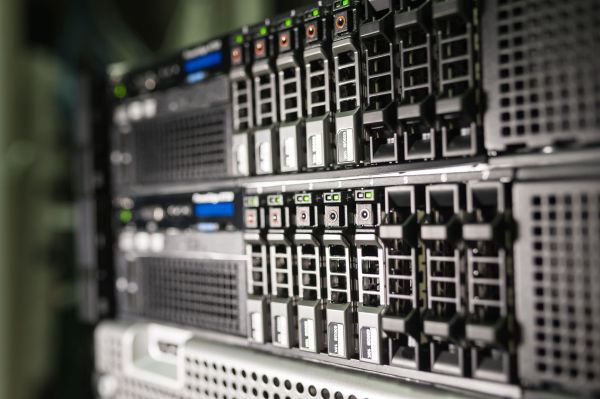
- In-House Stock of Critical Components: Unlike the standard distribution model, we maintain our own inventory of chassis, processors, RAM, and drives. This enables immediate configuration according to client specifications without waiting for factory production slots.
- Global Sourcing and Open Market: Official distribution is limited to regional warehouses. Hardware Direct operates on a global scale. If a component is unavailable in Europe, we can source it from other markets while maintaining full quality and compatibility standards.
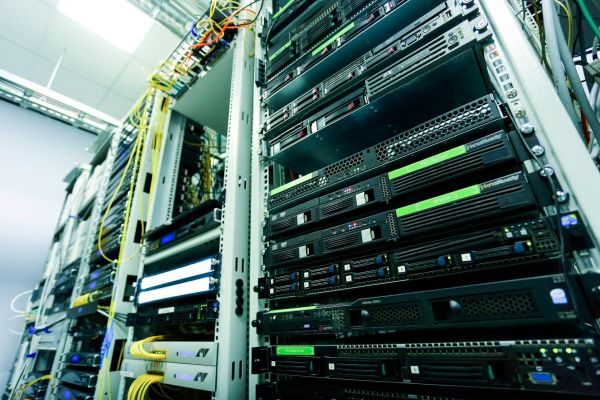
- In-House Configuration Center: Every piece of equipment leaving our facility undergoes rigorous stress testing. Assembling servers and storage arrays in-house allows us to reduce lead times from months to days.
Real-World Impact
In the past year, we have successfully fulfilled All-Flash storage deployments—estimated at 14 weeks via Tier-1 channels due to NVMe shortages—within just 5 business days. We observe similar efficiencies in virtualized cluster expansions, where we bypass "End of Life" policies or manufacturer generational shifts.
Why It Matters Today
In high-availability environments, redundancy should extend beyond systems to your procurement strategy. Relying on a single supply channel increases the risk of delays, particularly for time-sensitive projects. When planning IT infrastructure investments, it is essential to consider not only technical specifications but also real-world delivery timelines.