/ USD
/ USD
Modern IT departments, finding themselves in the operational trap of sudden data growth, can easily solve this problem.
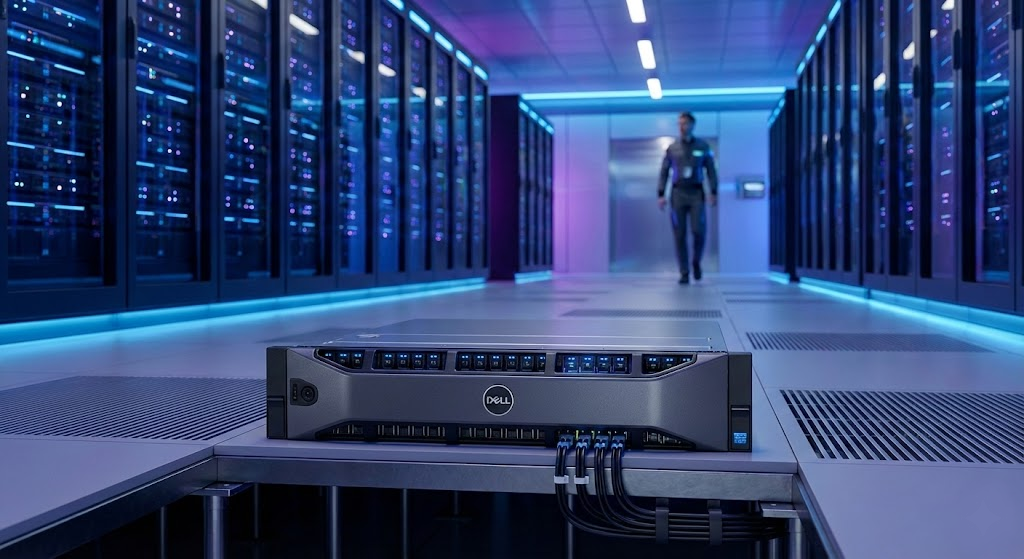
I would like to introduce you to the Dell PowerStore solution - a platform designed from the ground up as a foundation for modern data centers. As an experienced business advisor on these platforms, I see not just hardware, but a solution tailored to the modern era of infrastructure.
Here are the functionalities that change the rules of the game.
1. 4:1 Data Reduction Guarantee
Hardware-Assisted Performance: Most legacy systems offer deduplication and compression, but they often "steal" main CPU cycles to do so, slowing down applications. PowerStore solves this with always-on inline data reduction, supported by a dedicated Intel QuickAssist (QAT) chip. By offloading the main processors, the array performs data reduction without impacting IOPS or latency. Key efficiency parameters include:
- A 4:1 guarantee for typical workloads, without the need for prior analysis.
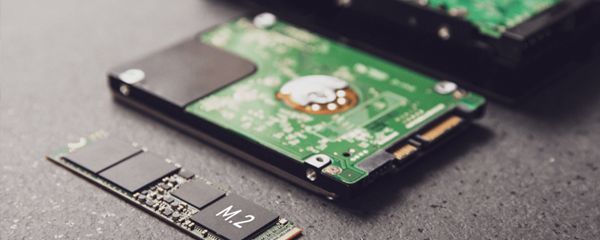
- Up to 15.36 TB NVMe per slot, allowing for maximum storage density. This is a real answer to rising energy costs, where storing more data on fewer drives allows for up to 54% energy savings compared to competitive solutions.
2. Intelligence That Eliminates Risk (Machine Learning)
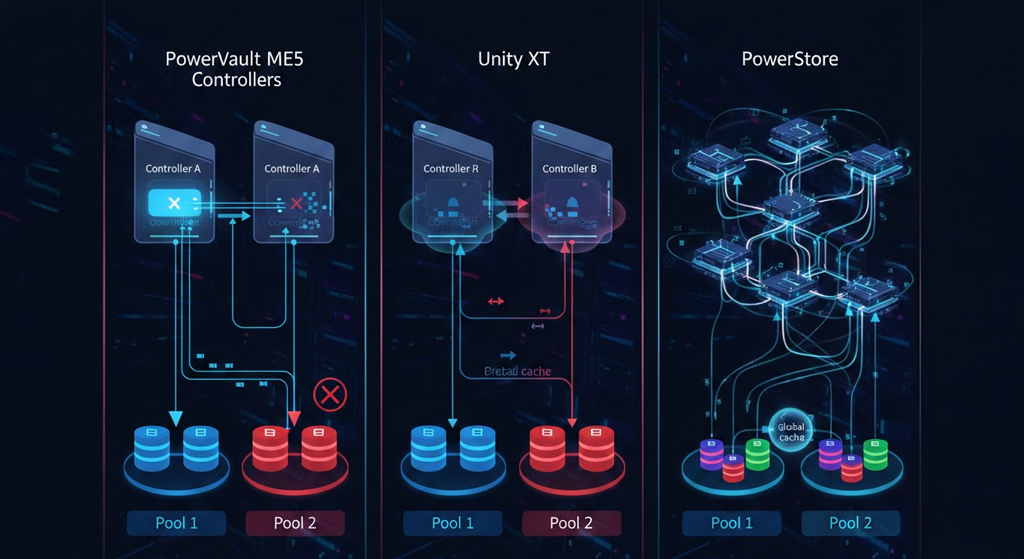
In an era where one engineer must manage five times the number of products compared to a decade ago, automation becomes a matter of survival. PowerStore features a built-in Machine Learning (ML) engine that automates volume placement, load balancing, and issue resolution within the cluster. Furthermore, thanks to integration with CloudIQ, the system offers proactive analytics, capable of predicting - with accuracy down to a few days - when a specific pool will run out of space. Statistics show that this intelligence can reduce management interactions by up to 99%.
"If we can automate tasks, you can use the product without worrying if you are doing it right, because the system performs these difficult tasks for you."
3. Container Architecture and NVMe Everywhere
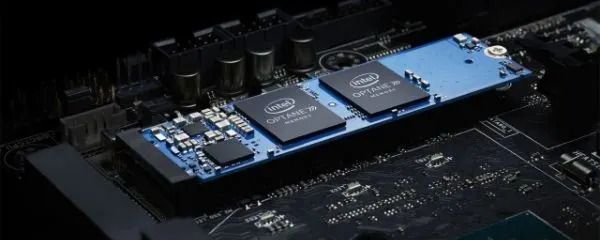
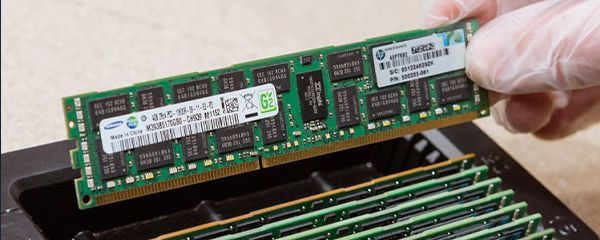
The heart of the system is the container-based PowerStoreOS. The modularity of this solution allows for the instant implementation of patches or new features (such as file protocols) without the need to restart the entire array operating system. Under the hood lies immense computing power: each array utilizes Intel Xeon Scalable processors (from 1.8GHz to 2.4GHz) and up to 2,560 GB of RAM. This architecture allows you to fully exploit the potential of NVMe Everywhere and Intel Optane (SCM) drives, which serve as an ultra-fast layer for metadata. This is the foundation for environments requiring sub-millisecond response times.
4. Anytime Upgrade Program
Traditional data migration is a costly, risky, and frustrating process. Dell PowerStore eliminates this thanks to the Anytime Upgrade program, which allows for controller modernization in a Data-in-place model (without moving data and without downtime). The program offers flexibility in two variants:
- Standard: Swapping controllers for a newer generation (e.g., moving from the x000 series to x200).
- Select: The ability to move to a higher model (scale-up) or add a second appliance to the cluster (scale-out). Crucially, modernization can be performed as early as 180 days after purchase, and the process does not require renewing support contracts. This is the definitive end of the "forklift upgrade" migration.
Summary: Is your infrastructure ready for the AI era?
Dell PowerStore is not just storage it is an intelligent, containerized platform that allows for up to 54% lower energy consumption and drastically simplifies daily operations. With support for NVMe over Fibre Channel and CloudIQ integration, you gain insight into system health from a mobile device. In the face of growing real-time analytics demands, it is worth asking one question: Is your current infrastructure the foundation of your growth, or merely a passive cost taking up space in your rack?
5. RAID vs DRE:
In traditional RAID configurations, data is assigned to rigid groups with a fixed layout (e.g., 4+1 or 8+1). This means performance and repair operation speeds are limited strictly to the number of drives participating in that specific group.
The Dynamic Resiliency Engine (DRE) completely changes this architecture by dividing every physical drive into multiple virtual segments (chunks) and creating redundancy layers through the intelligent distribution of these segments across all available media in the device. Thanks to this approach, in the event of a failure, the system does not have to rely on a single dedicated hot spare disk; instead, it performs the rebuild in parallel across multiple drives simultaneously. This allows for data transfer speeds of up to 1 GB/s and drastically shortens the window of exposure to data loss. Moreover, DRE is more efficient because, unlike traditional RAID, the rebuild process covers only those segments where data is actually written, further optimizing the array's resource usage.
6. All-Inclusive License From Day One
It is also worth noting a key advantage of the PowerStore platform regarding licensing. When purchasing the device, you have full access to all its features under a single, complete, and stable license. This includes data compression, snapshots, file management, top-tier security measures, and cloud service operations. Thanks to this method, we can predict the Total Cost of Ownership (TCO) and be certain that everything works correctly from the moment the array is launched.
7. Unified and Block Operation Modes
Choosing the right operation mode for the array is crucial when configuring PowerStore. The platform can operate in a Unified mode, providing access to both block and file storage (NFS, SMB), or in a Block mode tailored for efficient block-only access. Choose your method before beginning migration, as changing it later involves a complete database reset and data loss. It is crucial to analyze current and future needs regarding protocols and data sharing methods.
Who is this for?
- Industrial and manufacturing sectors
- Large retail chains
- Hospitals and clinics
- Design and engineering bureaus
- Logistics and distribution centers
- Energy and utility sectors
- Research and development institutions
- Media and entertainment companies
- Local government units